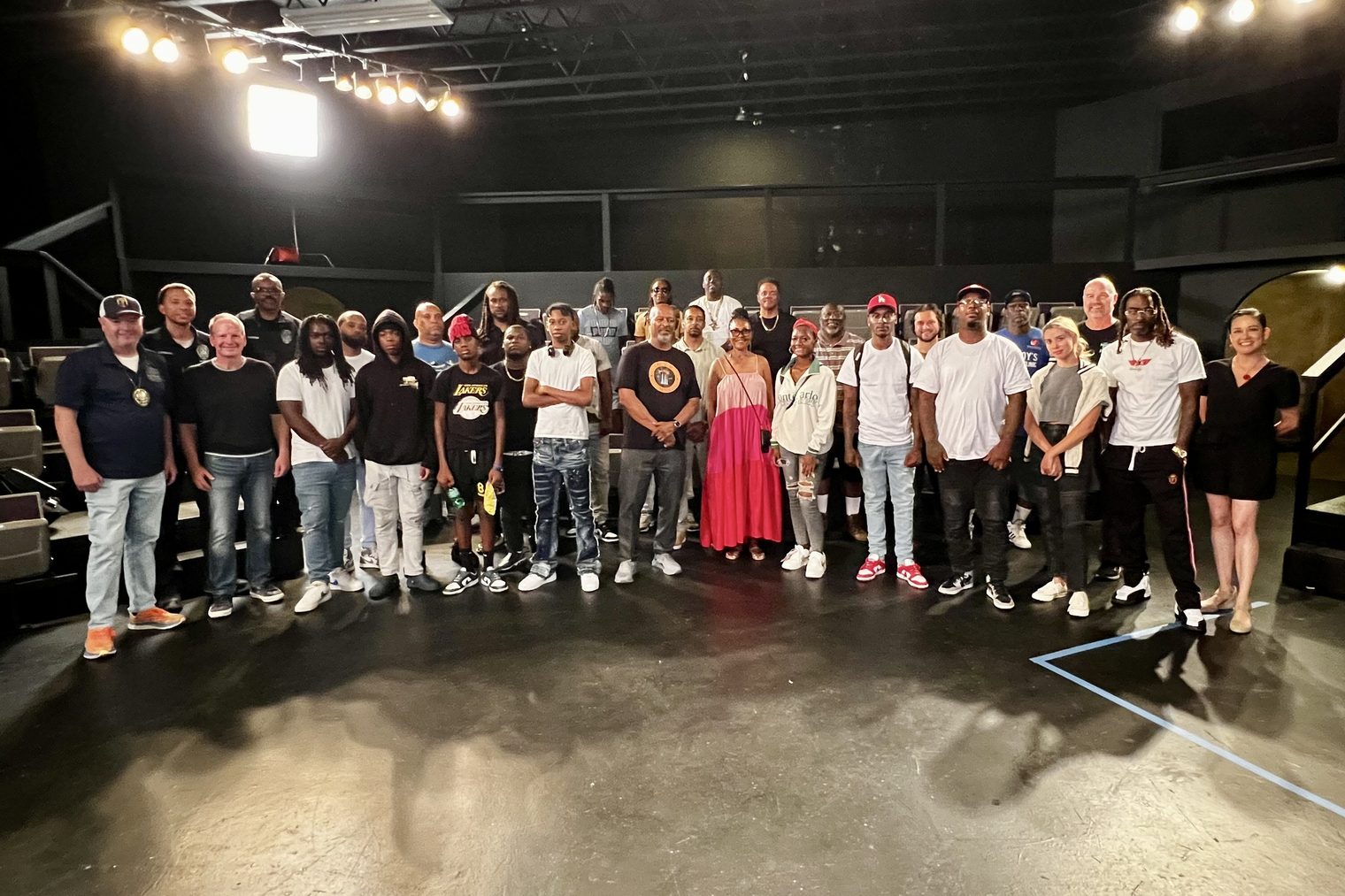
How it happened.
After a late-night police ride-along in Watts, an outsider witnesses a version of the neighborhood that never makes the news — and asks a simple question.
One night, an outsider rode along with police through Watts. He saw three people get shot. One died. None of it made the news.
He asked a gang member what made him join. “My mother put me in,” he said. The gang offered day care and protection while she worked. He watched classes where children were taught not to call 911: the recordings can be released, the gangs call you a snitch, and the retaliation is often fatal.
He was well read, well resourced, and certain he understood places like this. He was wrong.
What if the people living the story told it themselves?
Hoping to learn what else he didn’t know, he asked more than 200 people to film their own lives. Twenty said yes — rival gang members, police officers, victims of violence, children growing up in the middle of it. Every filmmaker owns their footage, and decides whether it is included.
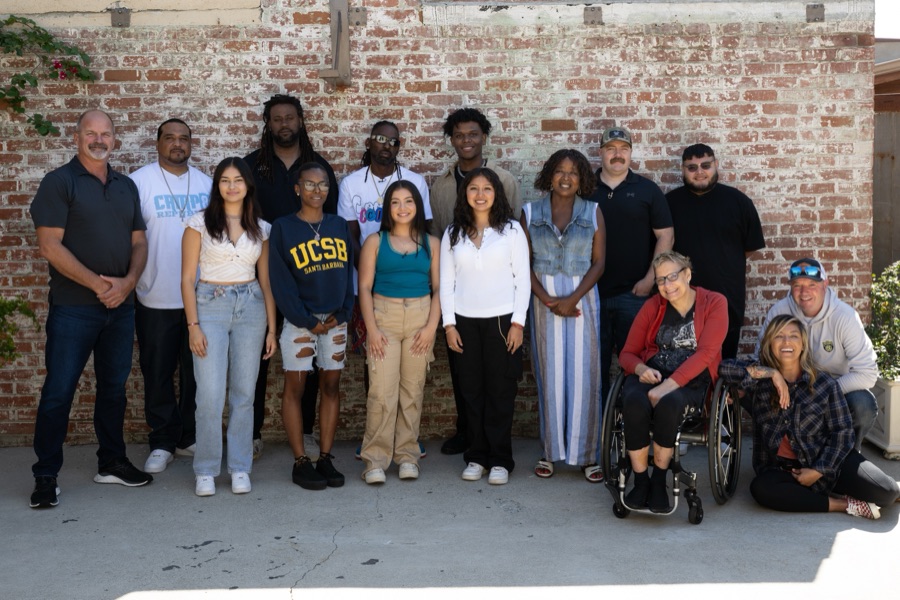
Over the next year, they filmed more than 200 hours of their lives — raw and unfiltered. No director. No script. No outsider shaping the story.
A radical idea emerged: he would build the infrastructure; they would be the directors, the editors; they would have final say. One rule — everyone had to agree on the final cut.
“Don’t put no sugar on it. This is Watts, this is what happened to us.”
No script, no central storyteller, no outside voice. Gang members, police officers, and victims sit across the same table — forced to watch each other’s lives, and to decide, together, how their community will be seen.
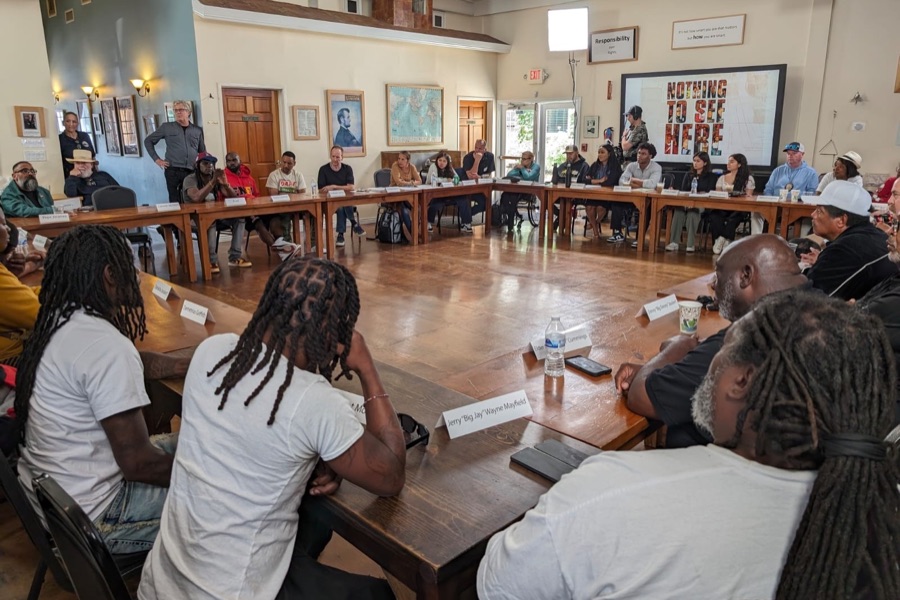
“There was no forgiveness going on, but there was acknowledgment of the other. Empathy without forgiveness.”
A year later — after endless debate, arguments, people walking out and walking back in — rival gang members, police officers, victims of violence and youth agreed on a final cut. And what happened next, nobody could have imagined.
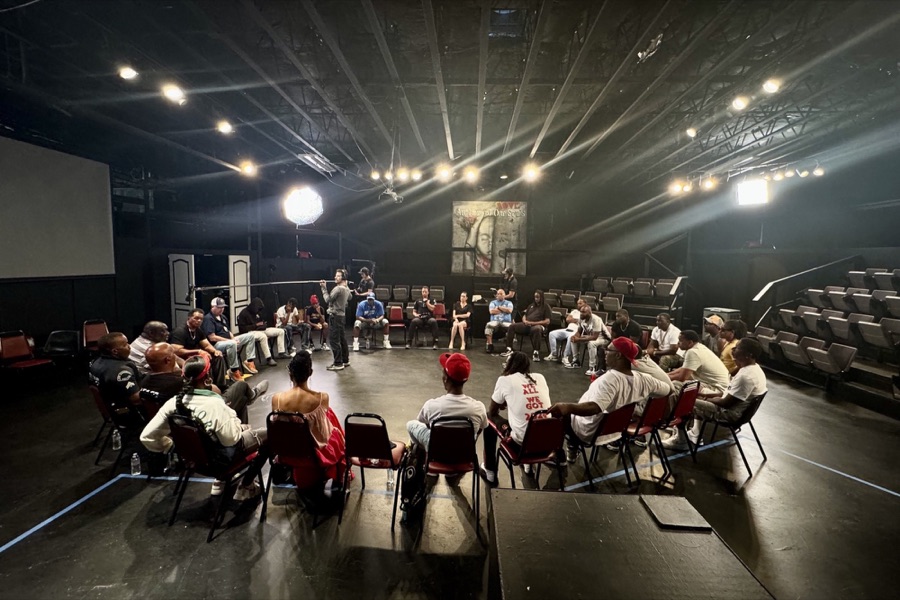
A screening for Watts’ most active gangs — more than 200 years in prison between them. Four gangs, one warehouse, no security. One conclusion: everyone was losing.
“You could cut the empathy in the room with a knife.”
The gangs requested more screenings, for their most active members. In time, a peace agreement emerged.
“We broke every rule — street rules, LAPD rules, community rules. We did it to save Watts.”
The Outcome — in the 12 months that followed: