
Those who told their story.
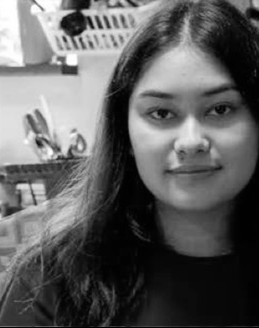
Emily Avalos, an 18-year-old student from Watts, offers a personal account of growing up in a violent environment. Her brother was brutally beaten — an event that left a lasting impact on her family. Despite the trauma, Emily is committed to her education and breaking the cycle of violence in her community, embodying the resilience of the youth in Watts.
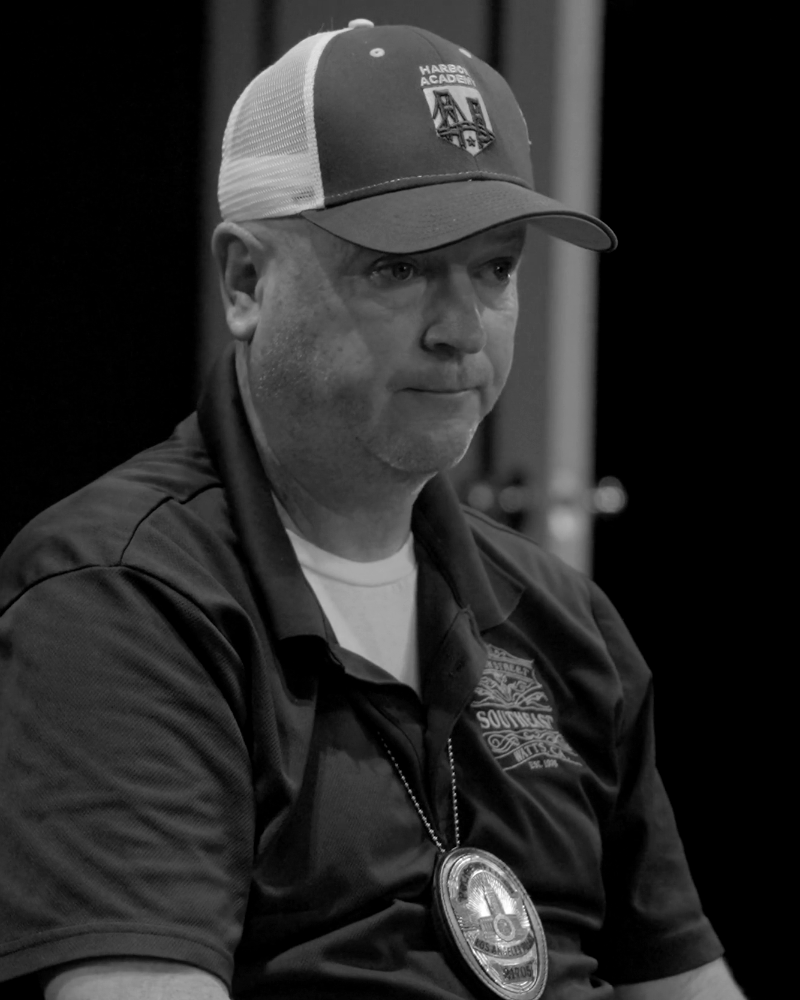
Once one of Watts' most feared gang officers, John remade himself around relationship-based policing and founded Operation Progress, sending Watts kids to school on scholarships.
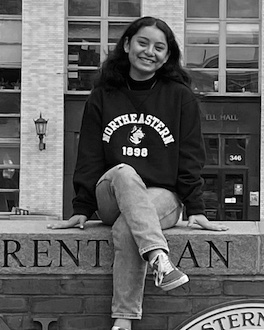
Celeste Garnica, a 20-year-old student, dreams of becoming a nurse. Despite growing up surrounded by gang violence and facing obstacles in the college application process, she remains determined. Her journey, culminating in her acceptance to Northeastern University, represents the perseverance required to overcome the systemic barriers students in underserved communities like Watts face.
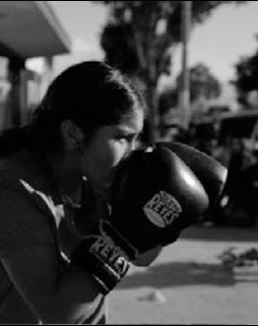
Meryland Gonzalez is a young Olympic boxing hopeful who found strength and purpose despite growing up in a community marked by violence. Her family's support of her passion for boxing has driven her toward national success; her goal is to represent the U.S. in the 2028 Olympics. Meryland's journey highlights the importance of family support and the positive influence of structured activities in youth development.
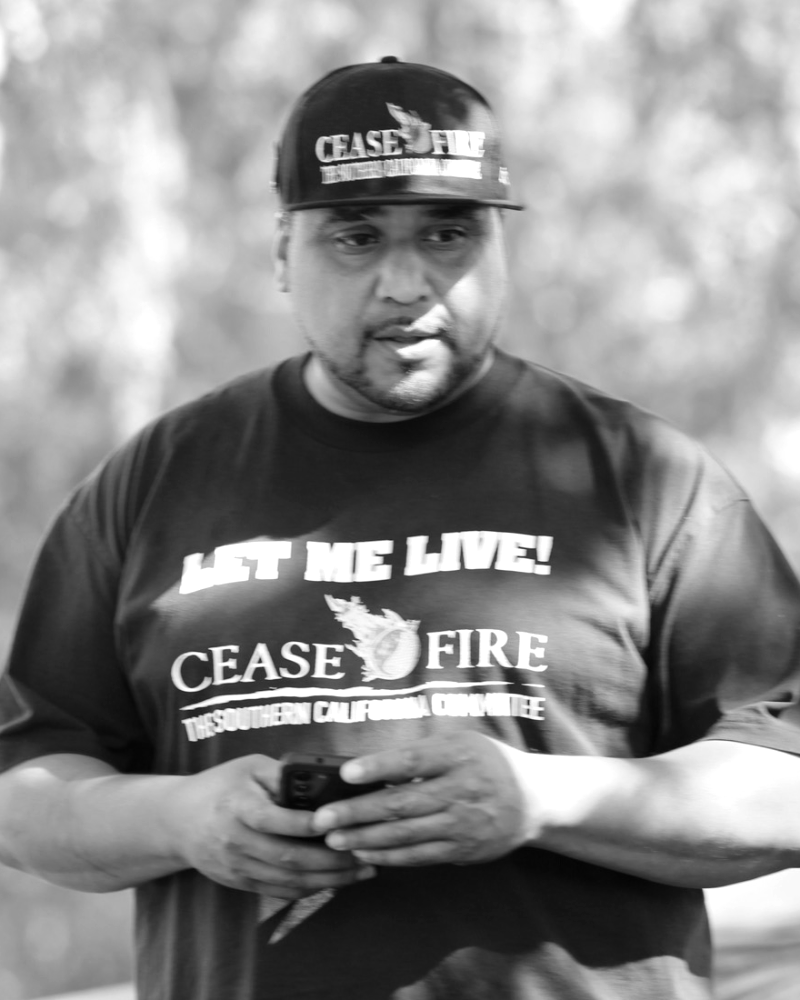
Jaime Gregory, a former gang member, transformed his life after his brother was murdered in 2014. Now a community activist, Jaime works to prevent others from falling into the same cycle of violence. His raw reflections on gang life provide a sobering look at the social dynamics in Watts, and his work as a peacebuilder encourages others to choose a path of redemption and change.
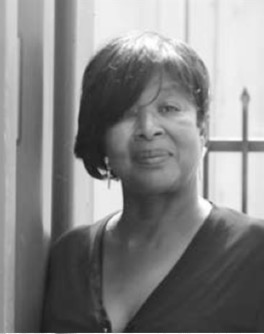
After losing her son Reginald to gun violence, Lawanda founded Justice for Murdered Children. Her non-profit helps grieving families seek justice and healing, symbolized by her “silent march,” where the shoes of murdered children are laid out to represent their lost lives. Lawanda shares her deeply personal story of grief and resilience, pushing for systemic change and ensuring that every family's pain is seen and acknowledged.
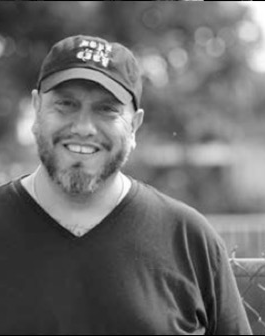
Former gang member Pastor Jose Hernandez has become a beacon of hope in Watts. His journey from gang life to leading a multicultural church highlights the redemptive power of faith. Through his work, Jose helps at-risk youth avoid the same choices he made, offering guidance and mentorship to break the cycle of violence in the community.
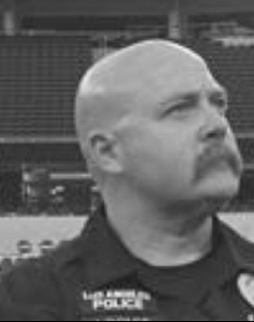
Erik Loomis is a police officer whose candid reflections humanize the difficult task of policing in high-crime areas like Watts. Through his struggles with trauma and vulnerability, Erik offers viewers insight into the complexities of law enforcement and the emotional toll it can take. His story bridges the police and the community, advocating for empathy and understanding.
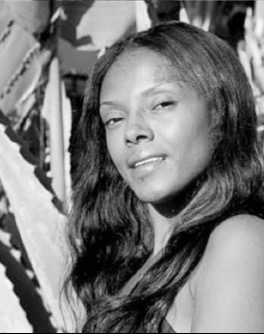
Neci McKinney is a single mother who survived an assault and robbery during the documentary's filming. Her experience highlights the constant dangers faced by women in Watts. Despite these challenges, Neci remains determined to improve her children's lives. Her story underscores the strength required to survive in a community of instability and violence.
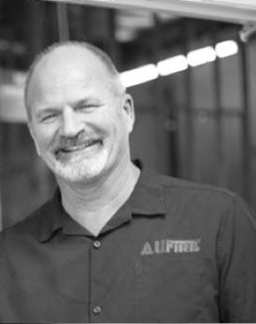
Tim Pearce dedicated his LAPD career to patrolling high-risk areas such as Watts. His narrative is closely intertwined with that of his wife, Kristina Ripatti, who was shot and left paralyzed in the line of duty. Tim carries the emotional burden of witnessing his wife's life change instantly and copes with the trauma that ensued. Now retired, Tim adds significant depth and understanding to policing efforts.
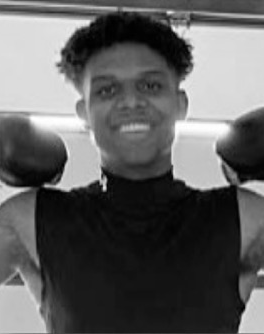
Sean Reynolds, a 19-year-old student preparing for college, survives a near-fatal shooting in Watts. His personal experience with violence is at the center of his role in the documentary, as we witness his road to recovery and his views on what it takes for the community to heal.
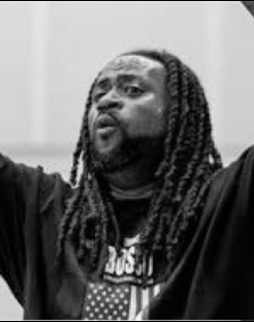
Tyrone Riley Sr., a former gang member turned basketball coach, mentors young athletes in Watts, guiding them away from street life. His son, Tyrone Jr., is a student-athlete with aspirations of college sports. Their intertwined stories highlight the power of family support and the role of sports in providing positive outlets for youth in a community struggling with violence.
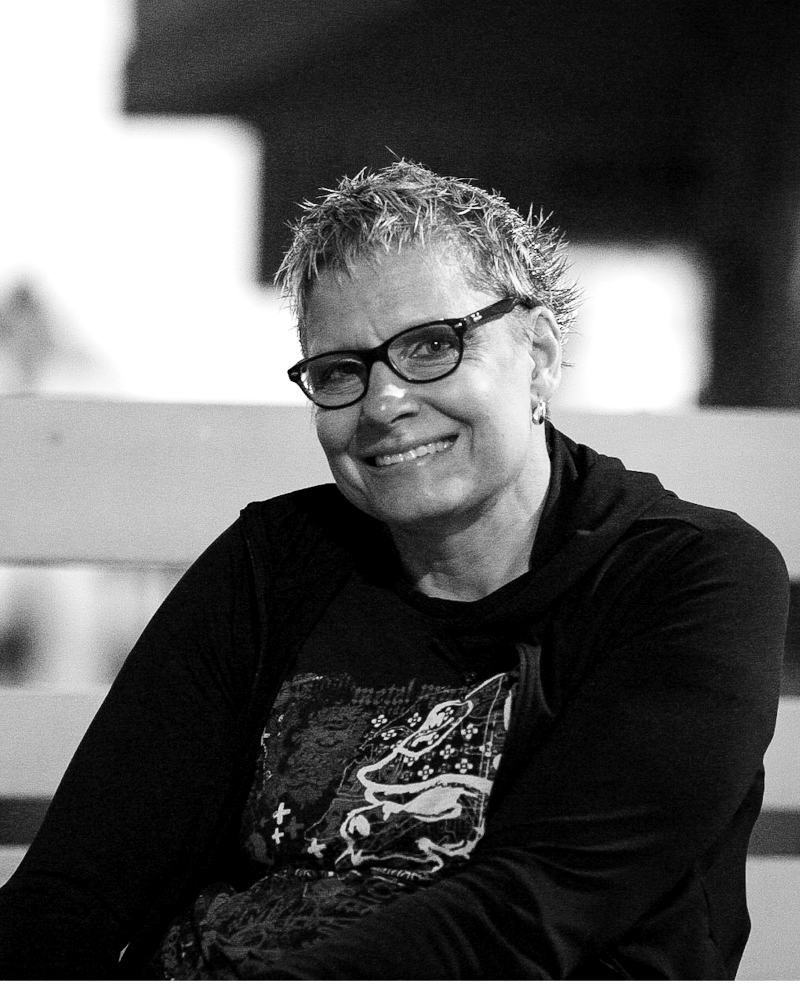
Former LAPD officer Kristina Ripatti became paralyzed after being shot while responding to a robbery. Her story exemplifies profound resilience, as she overcame emotional and physical trauma to not only survive but thrive. In the documentary, she reflects on her struggles with depression and addiction, offering hope through her current work counseling others who have endured similar traumas.

As a homicide detective, Iris sees her role as a mission to bring justice and closure to those affected by violence. Her brother and sister, who were killed due to violence, serve as a reminder that everyone is impacted — and motivate her to serve the community with a sense of empathy and understanding many will never have.
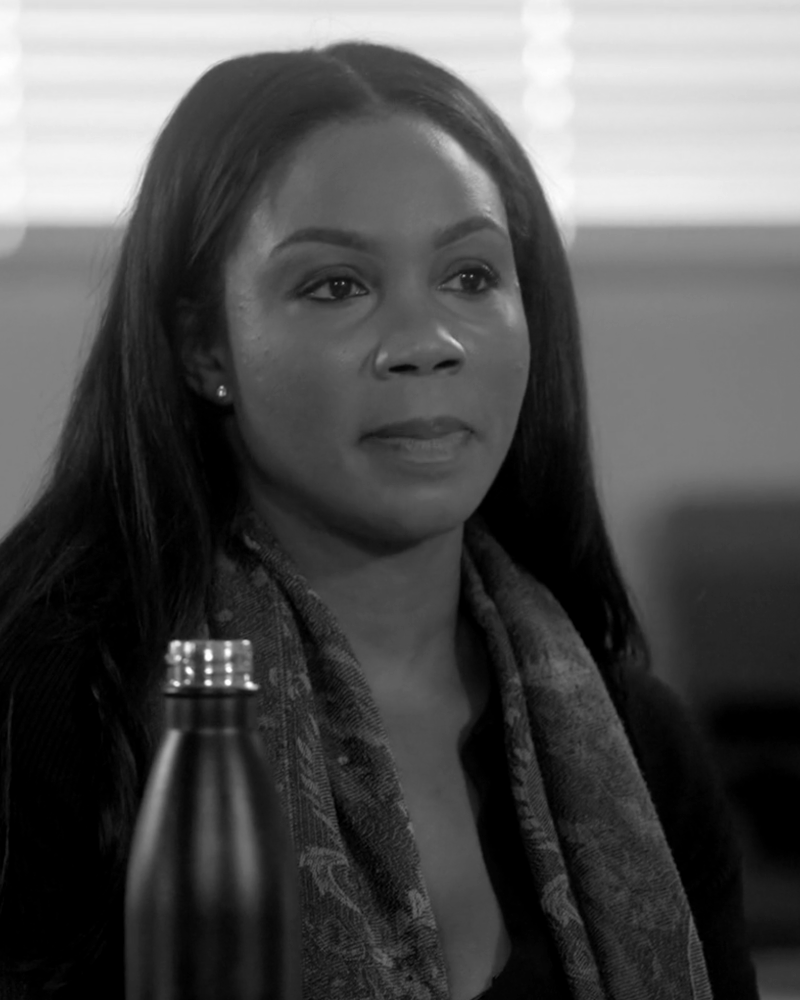
Qiuana Williams adds an emotional dimension to her son Sean's story, recalling the moment she learned he had been shot. She highlights the trauma families endure alongside victims of violence while advocating for forgiveness, accountability, and change.
Cornelius Wills, a member of the Bounty Hunter Bloods, shares his journey from gang violence to becoming a community advocate. His story reveals the social pressures that lead young men into gangs and the difficult path to redemption. Now, Cornelius is dedicated to supporting youth engagement programs and advocating for change within the community.